What overseas manufacturers should understand before the 2027 reform
Portable chargers (power banks) are essential for charging smartphones and other devices.
In Japan, they are already regulated under the Electrical Appliances and Materials Safety Act (the “PSE Act”).
Overseas manufacturers, selling their products through e-commerce platforms, must confirm conformity with the applicable technical standards and display the PSE mark to distribute them.
The Japanese government is now moving to tighten these requirements.
The central change is that portable chargers will shift from the circular PSE procedure to the stricter diamond PSE procedure.
This is more than a labeling change. It affects inspection planning, factory readiness, certificate management, and inventory strategy.
1. What Is Changing?
Current status: Circular PSE

Most portable chargers are currently regulated under the PSE Act as lithium ion batteries.
Manufacturers and importers must confirm that the product meets the prescribed technical standards and then display the circular PSE mark. The process is self-declaration:
- The manufacturer or importer confirms conformity with the technical standards itself
- The circular PSE mark is displayed
Going forward: Diamond PSE
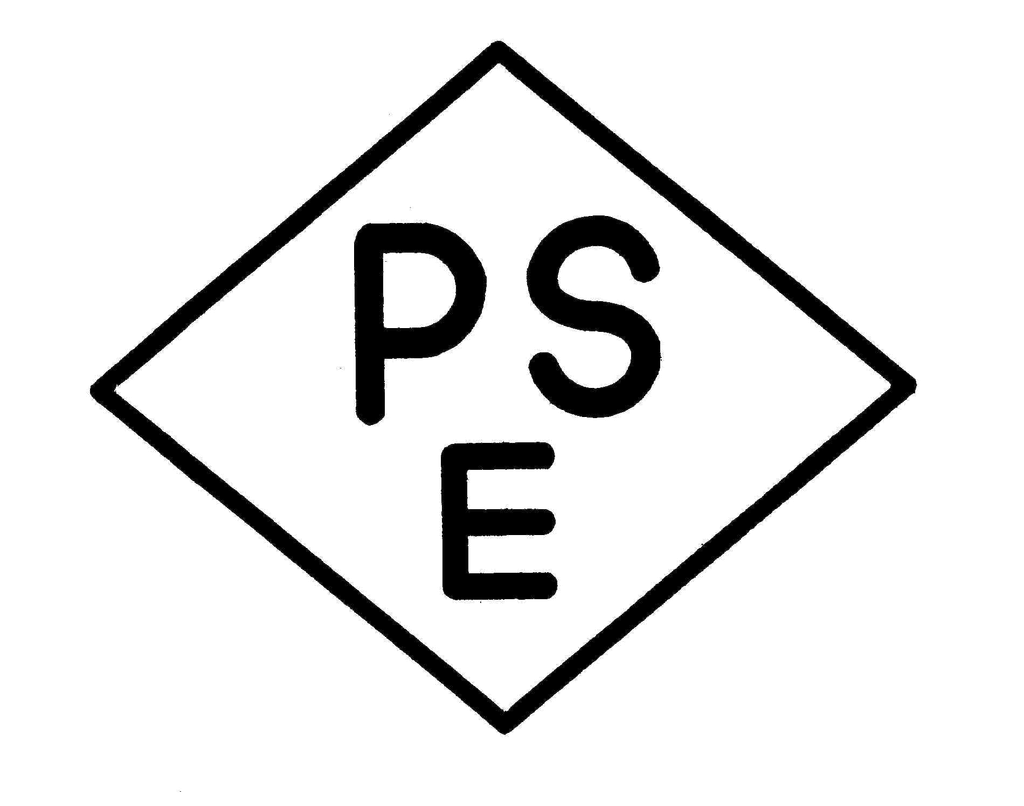
Under the reform being considered, portable chargers will be subject to stricter safety verification than they are today.
The key difference is that self-confirmation will no longer be enough.
A conformity inspection by a third-party body will also be required.
The new process is expected to be:
- The manufacturer or importer confirms conformity with the technical standards, as now
- A third-party body performs a second, independent check (conformity inspection)
- The diamond PSE mark is displayed
Even though the third-party assessment is conducted, the self-confirmation is still required.
The diamond PSE mark is used for Specified Electrical Appliances and Materials.
Products in this category face stricter regulation than general electrical appliances, which carry the circular mark.
2. The Proposed Timeline
The schedule announced so far is as follows. It is a draft and may change.
Reform policy presented and confirmed by the Product Safety Subcommittee of the Industrial Structure Council
Technical standards and quality management requirements developed in detail by the Electrical Appliances and Materials Investigation Committee
Draft technical standards presented and confirmed by the Subcommittee
Cabinet and ministerial ordinances promulgated
Reform takes effect (1-year transitional period); conformity inspections by registered inspection bodies begin
Transitional period ends; sale of portable chargers bearing the circular PSE mark expected to be prohibited
As of October 2026, the specific technical standards and inspection requirements have not been finalized.
The exact inspections required and the documents to be prepared must be confirmed against the forthcoming ordinances and related standards.
3. What happens to circular PSE products after March 2028?
Distribution inventory held by sellers is a key concern.
Under the PSE Act, regulated electrical appliances cannot be sold without the required markings.
For one year after the reform takes effect in March 2027 (until the end of February 2028), sales of circular PSE products are expected to remain permitted as a transitional measure.
After the transitional period ends in March 2028, portable chargers still bearing the old circular PSE mark are highly likely to become unsellable.
To avoid inventory becoming dead stock, retailers, wholesalers, and importers need to plan their inventory carefully while following the details of the new system.
For manufacturers supplying the Japanese market, this has a direct planning implication.
Production volumes, shipment timing, and the move to diamond PSE should be coordinated so that stock carrying the circular mark does not remain in the supply chain beyond the transitional period.
4. Conclusion
This reform will require businesses handling portable chargers to demonstrate a higher level of product safety, and of manufacturing and quality management, than before.
As of October 2026, key details of the new rules remain undecided, including the technical standards and specific inspection items. Once these are promulgated, expected around February 2027, the required actions will become clearer.
Rather than waiting for the rules to be finalized and then reacting in haste, businesses handling portable chargers are better positioned if they start monitoring developments now.
We share the latest regulatory information tailored to each client’s product line.
If you have questions or concerns about how these changes may affect your products, please feel free to contact us.